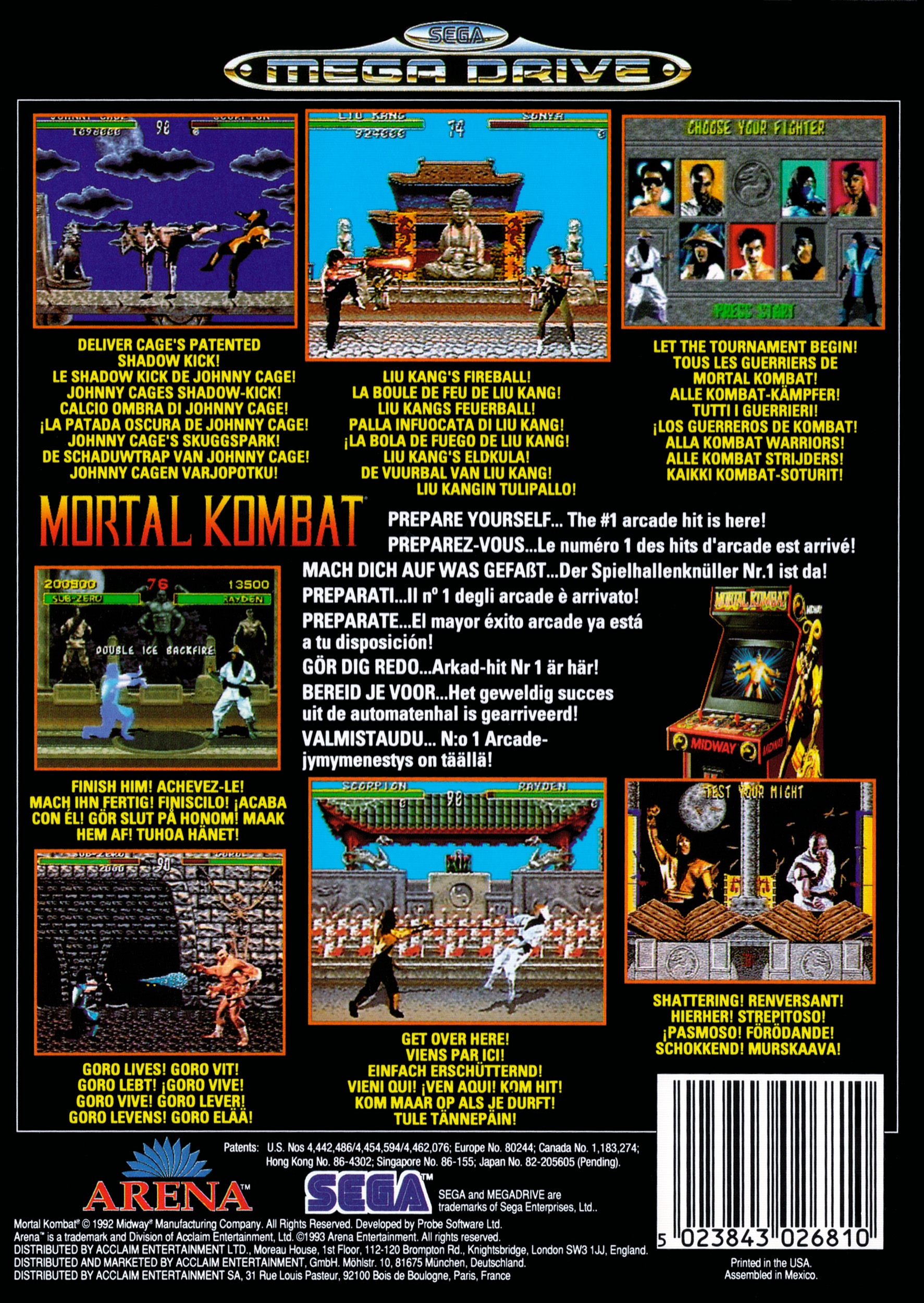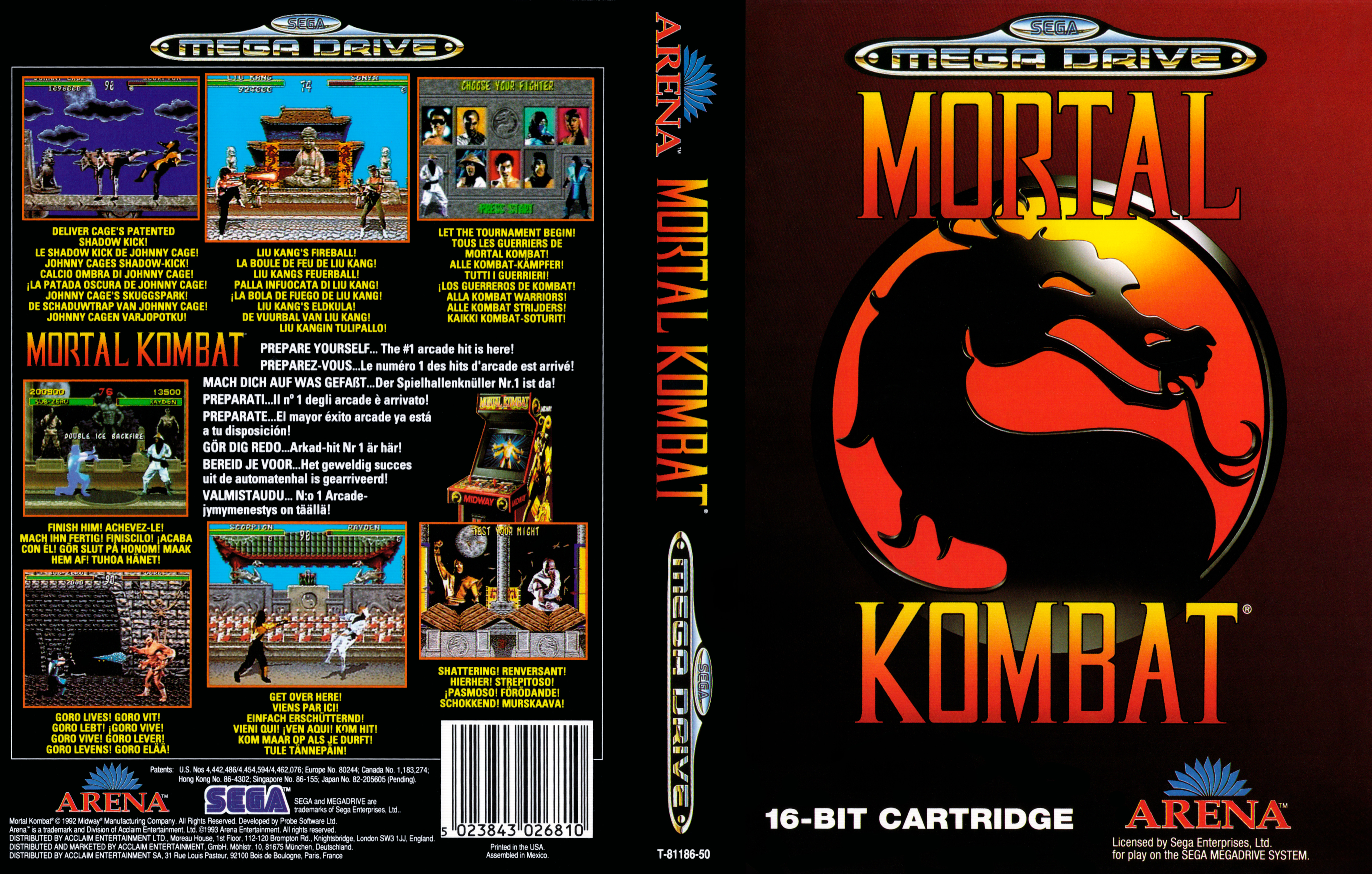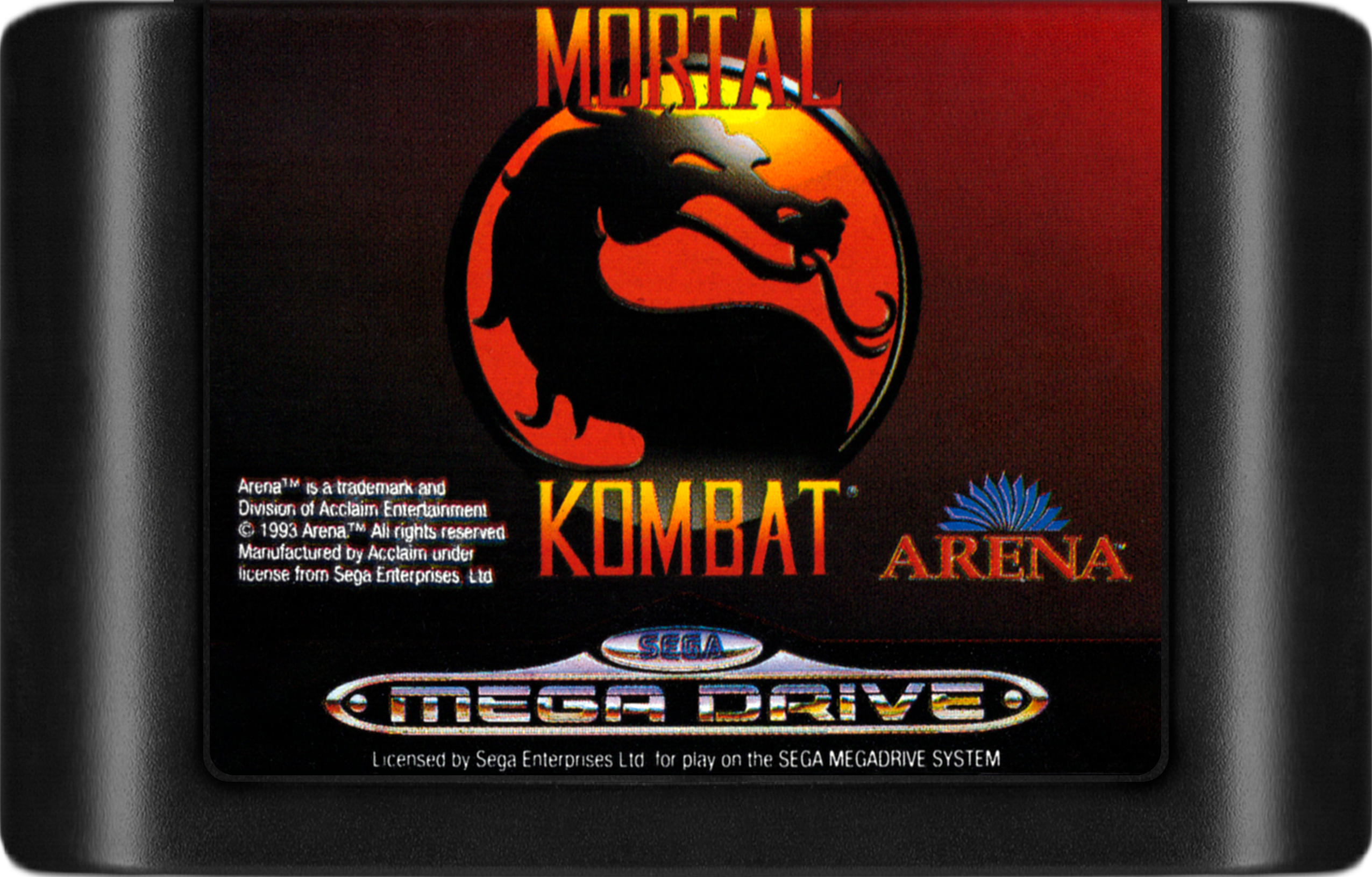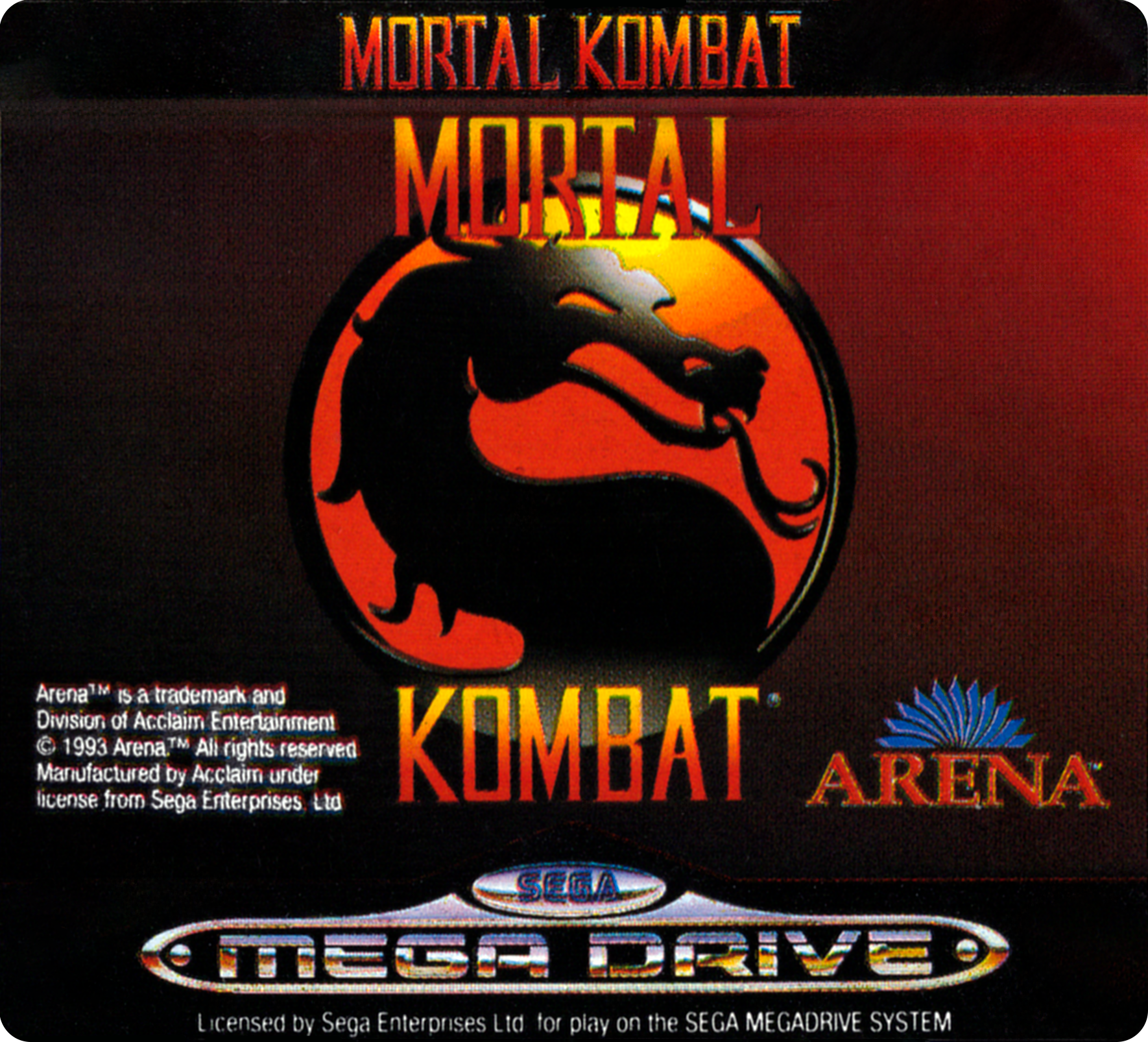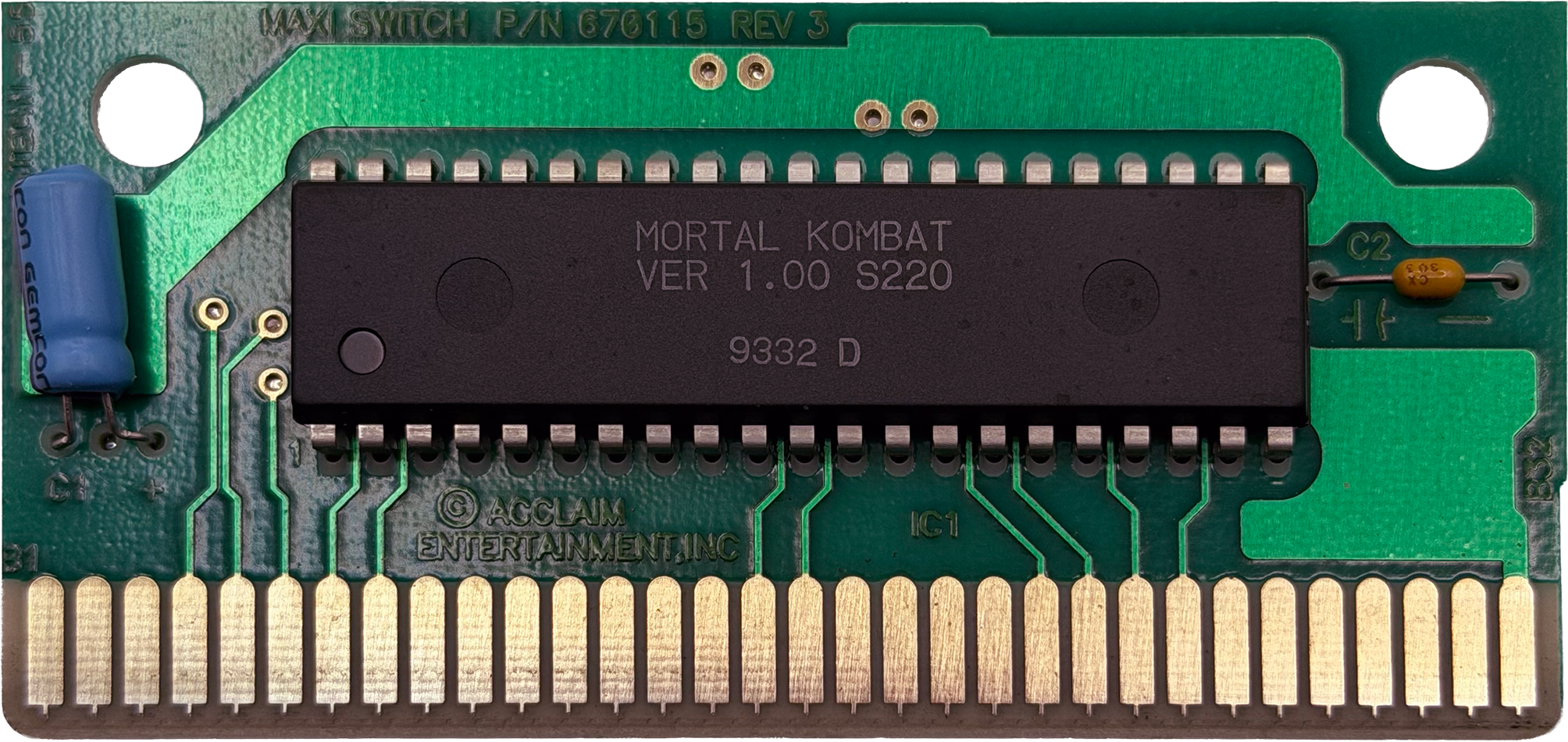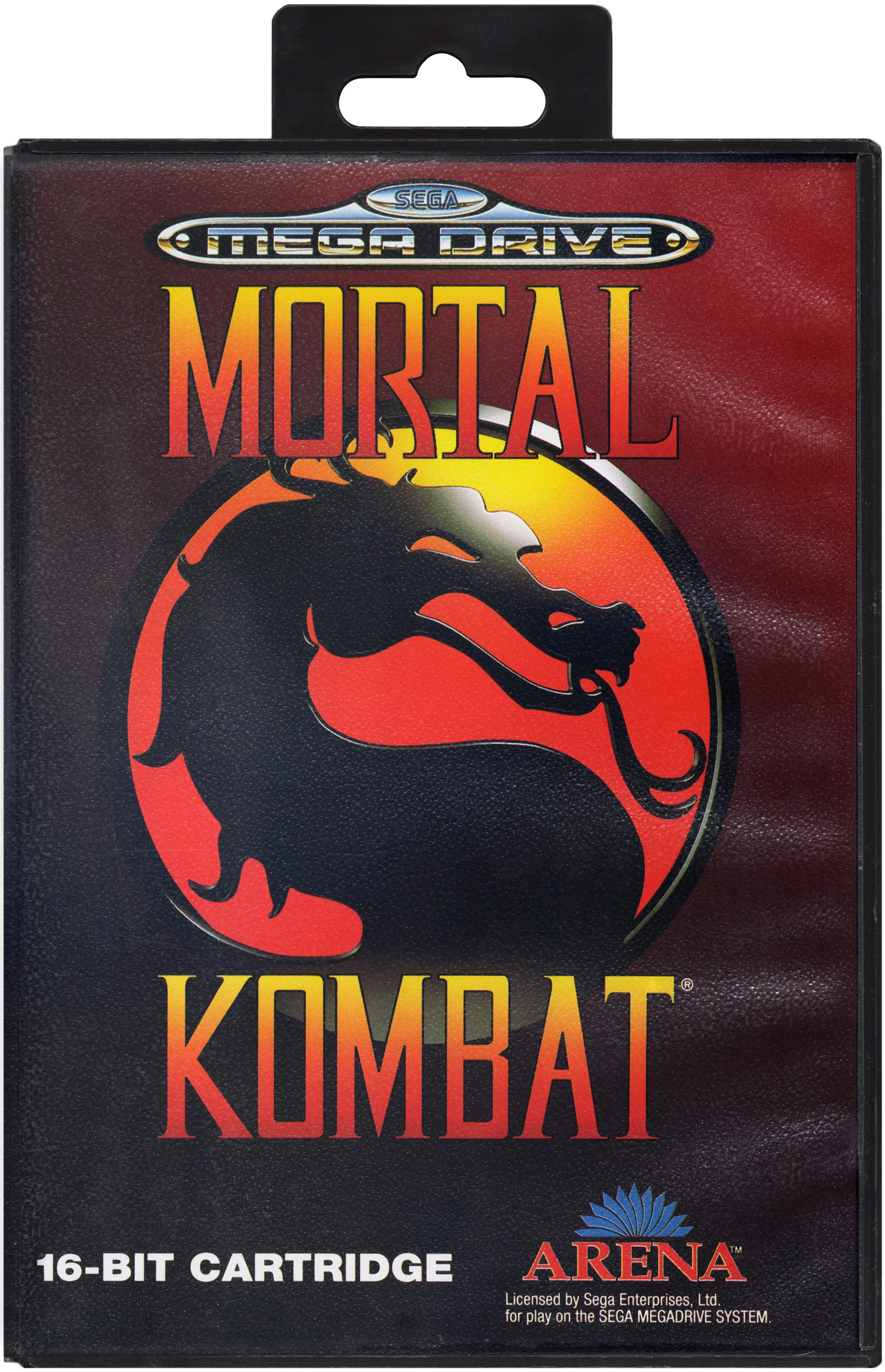
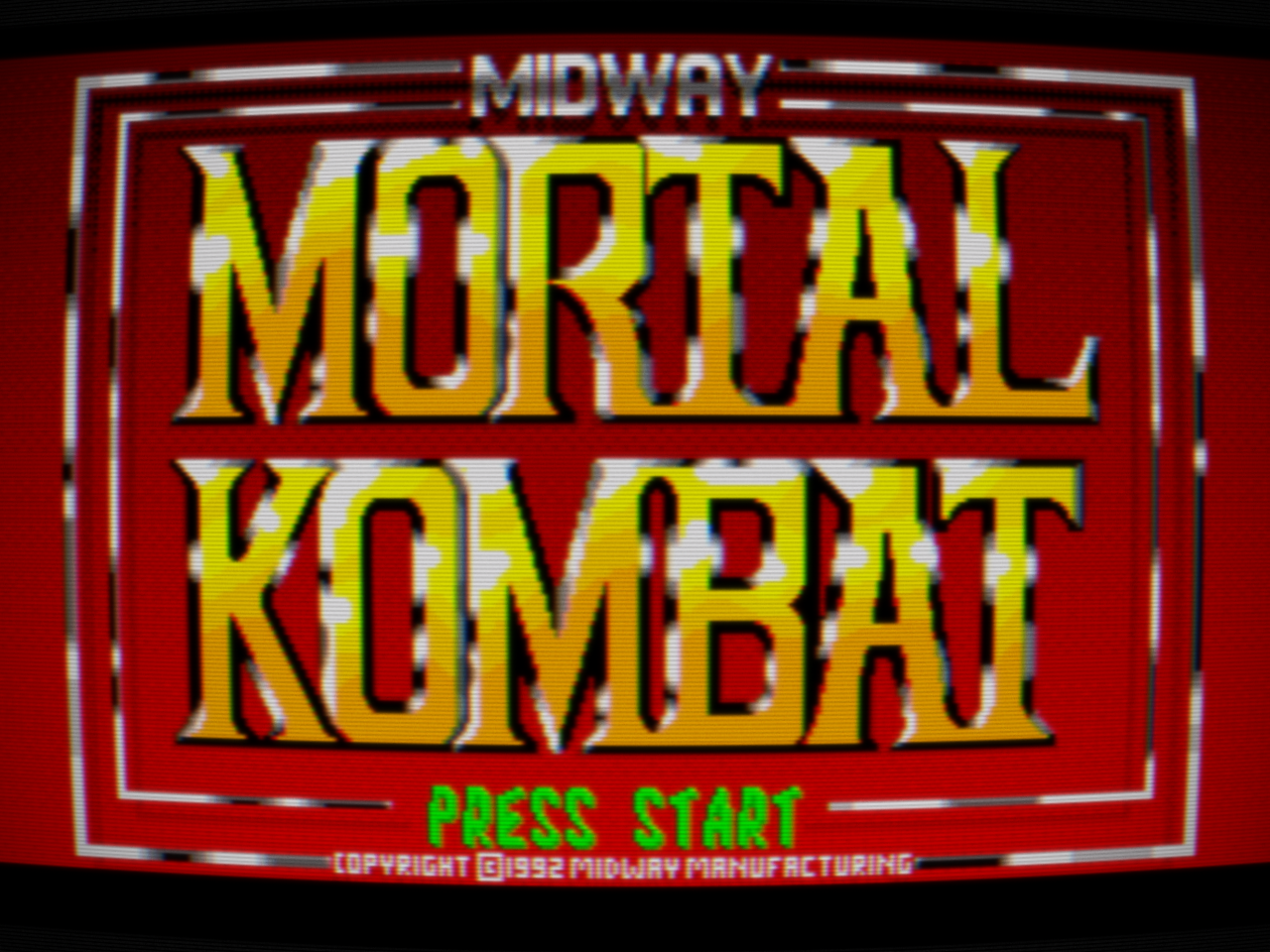
There is a code.
We are not going to tell you what it is. That would spoil the fun, and besides, half the playground already knows it. What we will tell you is that if you find it, type it in on the intro or main menu screens, and suddenly Mortal Kombat on the Mega Drive becomes a very different proposition to the version currently gathering dust on your mate's Super Nintendo. His version has grey sweat where yours has red blood. His version has "finishing moves" so defanged they barely qualify as rude. His version is what happens when a publisher blinks.
Yours is the real thing.
What this is and why it matters
For the seventeen people who have somehow avoided Mortal Kombat entirely: it is a one-on-one fighting game developed by Probe Software, set in a mythological martial arts tournament, and it has arrived in British living rooms trailing more controversy than any game since, well, probably ever. The controversy is not about the gameplay, which is accomplished, or the presentation, which is impressive, or the sound design, which is excellent. The controversy is about what happens when you finish your opponent off.
Every character in Mortal Kombat has a Fatality: a specific input sequence, entered in the brief window after you've defeated your opponent, that triggers an extravagant finishing move. Kano rips a still-beating heart from a chest. Sub-Zero removes someone's head, spine attached. Scorpion removes his own mask to reveal a skull, and breathes fire. These are the ones that have been on the front pages of newspapers and the subject of questions in the House of Commons, and they are all here on this Mega Drive cartridge if you know where to look.
Sega's decision to include them, locked behind a code that keeps the default experience reasonably clean while letting players opt in to the full version, is the correct decision. It is also, it should be noted, a commercial decision as much as a principled one. But the result is the right result: you get to choose what you want from this game, rather than having someone at Nintendo's offices choose for you.
The game underneath the controversy
Strip the controversy away and what you have is a fighting game that does several things very well and one thing not quite right.
The things it does well first. Mortal Kombat uses digitised sprites, which means the characters are actual photographic captures of real actors and martial artists, blown up and turned into game graphics. The result is a visual style completely unlike any other fighting game on the system: chunky, weirdly realistic, and strangely impressive even on a console that has to work hard to display them. The backgrounds, too, are digitised photography, and the Pit stage (where a fight takes place on a bridge high above a dungeon floor full of spikes, onto which you can finish your opponent at the end of a match) is one of the more memorable arena designs in the genre.
The six-button pad handles Mortal Kombat's control scheme well. High punch, low punch, high kick, low kick, and block: it's a different grammar to Street Fighter II's three-punch-three-kick layout, and it takes adjustment. Once you've adjusted, the system has real depth. Blocking in Mortal Kombat is a held button rather than a backwards direction, which changes how you approach footsie (the low-stakes dance of pokes and movement at the edge of range that experienced fighting game players use to control space). Special moves are executed with directional inputs as in any other fighter, and the cast of seven characters has a varied enough set of tools that learning a second or third fighter after your main is genuinely rewarding.
The cast: Liu Kang (the closest thing to a straight protagonist, a Shaolin monk with a flying bicycle kick), Kano (mercenary with a cybernetic eye and a spinning cannonball move), Raiden (the god of thunder, who teleports and fires lightning), Johnny Cage (a film actor, essentially Jean-Claude Van Damme, with a split-punch that will make men cry), Sub-Zero (a ninja who throws ice), Scorpion (a ninja who throws a spear on a chain and says "get over here"), Sonya Blade (special forces operative with ring toss and a leg grab), and Goro, the four-armed half-dragon who serves as the sub-boss, who is not playable but who will ruin your afternoon if you are not prepared for him. Shang Tsung is the final boss and is also not playable on this version.
Special mention for Sub-Zero and Scorpion, who are both excellent and have both become two of the most iconic character designs in the genre. The "GET OVER HERE" spear is in the vocabulary of anyone who's played five minutes of this game.
The things it does less well
The Mega Drive version of Mortal Kombat is not the arcade game. The sprites are noticeably smaller than the arcade originals, the backgrounds have lost detail and colour, and there are compromises throughout that a side-by-side comparison with the coin-op would make obvious. This is expected: the Mega Drive is not a CPS-1 arcade board, and no home conversion of any arcade game has ever been fully arcade-perfect on this console.
More honestly: the SNES version, for all its censorship failures, does have larger sprites and slightly richer backgrounds. Sega's hardware is being pushed harder here than Nintendo's, and occasionally you can see the effort. The blood and fatalities question overwhelmingly favours the Mega Drive, but the technical picture is more nuanced than Sega's marketing would have you believe. We believe you are owed that nuance.
The AI in single player, as with most fighting games of this era, has a difficulty curve that is reasonable up until Goro and then becomes an endurance test. Goro hits hard, hits fast, has four arms to hit you with, and will jump on your head if you give him any distance at all. The strategies for beating him exist and are learnable, but the first ten encounters are likely to leave you questioning your life choices.
How it sounds
Very good, is the short answer. The announcer's voice is clean and present, the impact sounds are meaty, and the character-specific taunts and grunts are all here and accounted for. Scorpion says his thing. The music is atmospheric and suits the tournament's mythological stakes: dark, percussive, and completely unlike the melodic FM synthesis work you'll find in most other Mega Drive fighters. The Mega Drive's sound chip is doing genuinely interesting work with the source material.
The verdict
Mortal Kombat on the Mega Drive is the definitive home version of one of the most important and controversial games of this generation. Yes, the sprites are smaller than the arcade. Yes, the SNES version has marginally richer backgrounds. Neither of those facts is as important as the fact that this version contains the whole game, including the parts that matter most, provided you are willing to do a small amount of detective work on the character select screen.
Sega said yes where Nintendo said no, and the result is a version that respects you enough to let you decide what kind of game you want to play. That is worth paying for. The fighting game underneath the controversy is a good one, the characters are memorable, and Scorpion and Sub-Zero are about to be very famous indeed. Goro will beat you up and you will deserve it.
The code exists. Find it yourself.
In hindsight
Mortal Kombat did not, in the end, primarily define itself by whether a console version had blood in it. It defined itself by what happened to the industry after it. The game's gore, combined with Night Trap and a handful of other controversial titles, triggered US Senate hearings in December 1993, during which Sega and Nintendo were both hauled in front of a Congressional subcommittee to explain themselves. The hearings produced the Entertainment Software Rating Board in 1994, which assigned age ratings to games in the US, and accelerated the creation of rating systems in Europe that eventually fed into what became the Pan European Game Information system. Every age rating sticker on every video game sold today traces a direct line back to this cartridge, and the handful of others that caused the same panic at the same time. That is not a small legacy for a game about a tournament with a lightning god in it.
The Sega versus Nintendo censorship decision is the piece of this history that the Mega Drive community tends to focus on, and with reason, because it is the most visible single moment in the console war where the two companies made directly opposite choices in the same week. But the longer view is more complicated. Nintendo's decision to sanitise the SNES version was commercially disastrous (it sold fewer copies and drew more ridicule than the bloodier competition) and is now regarded as one of the bigger own goals of the 16-bit console war. Sega's decision to use a content code rather than release the game unmodified kept the controversy manageable while letting the product compete. It was a smart piece of navigation, and the fact that the code was widely known within weeks of release tells you everything about how seriously anyone took the restriction.
What is worth noting, from a preservation standpoint, is that the Mega Drive version is the closest any home console got to the complete arcade experience at the time of original release, and that status matters more now than it did then. The arcade game is archived, the various home versions are archived, and the differences between them are documented. But the Mega Drive version's place in that documentation is specific: it is the version that chose to include the content that defined the game's cultural moment, and it is therefore the version that most accurately represents what Mortal Kombat was in 1993, controversially and correctly. The Codex preserves it as such.
Goro still has four arms. Time has not made him any more reasonable.
 Codex Essential Game