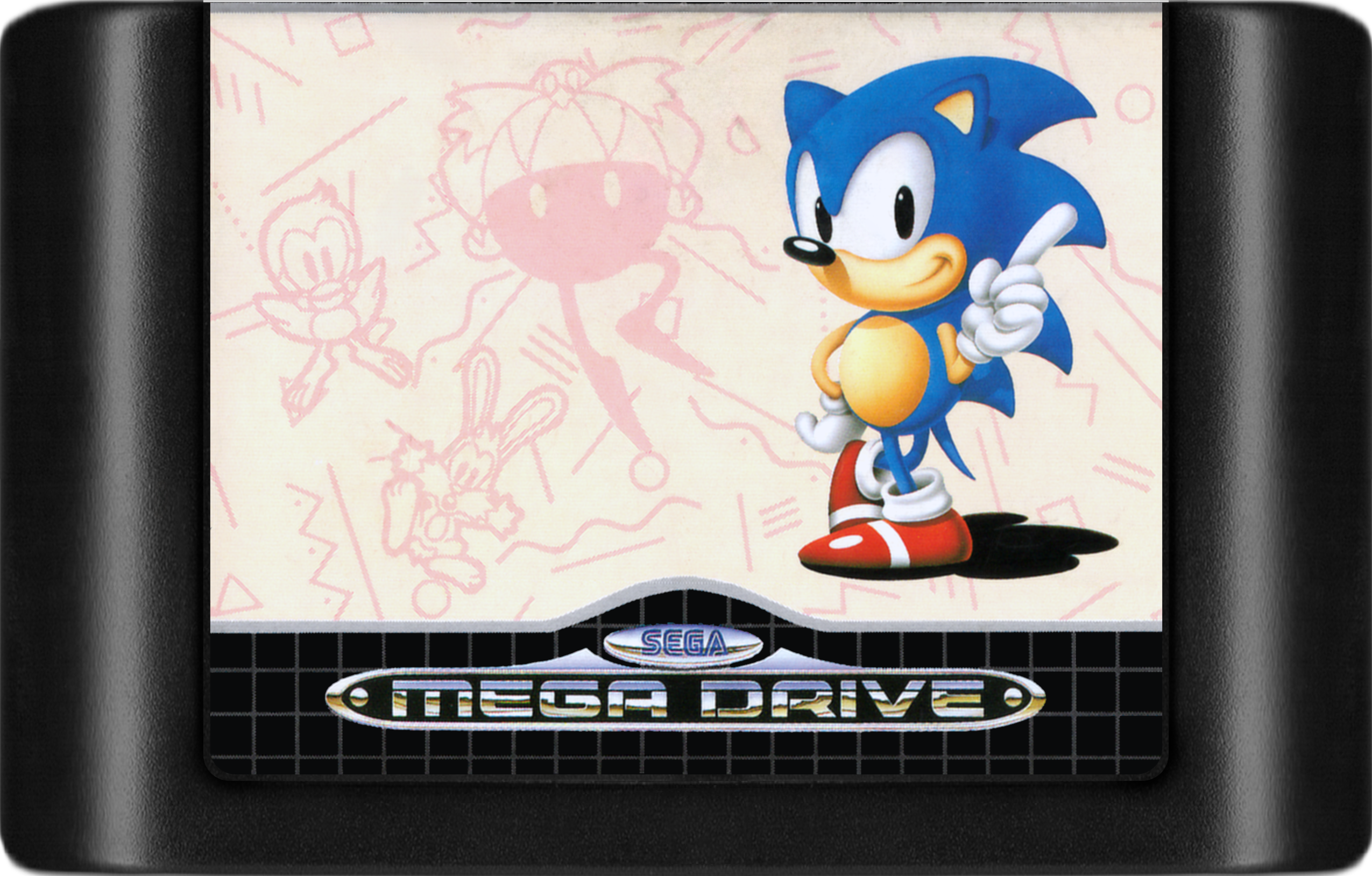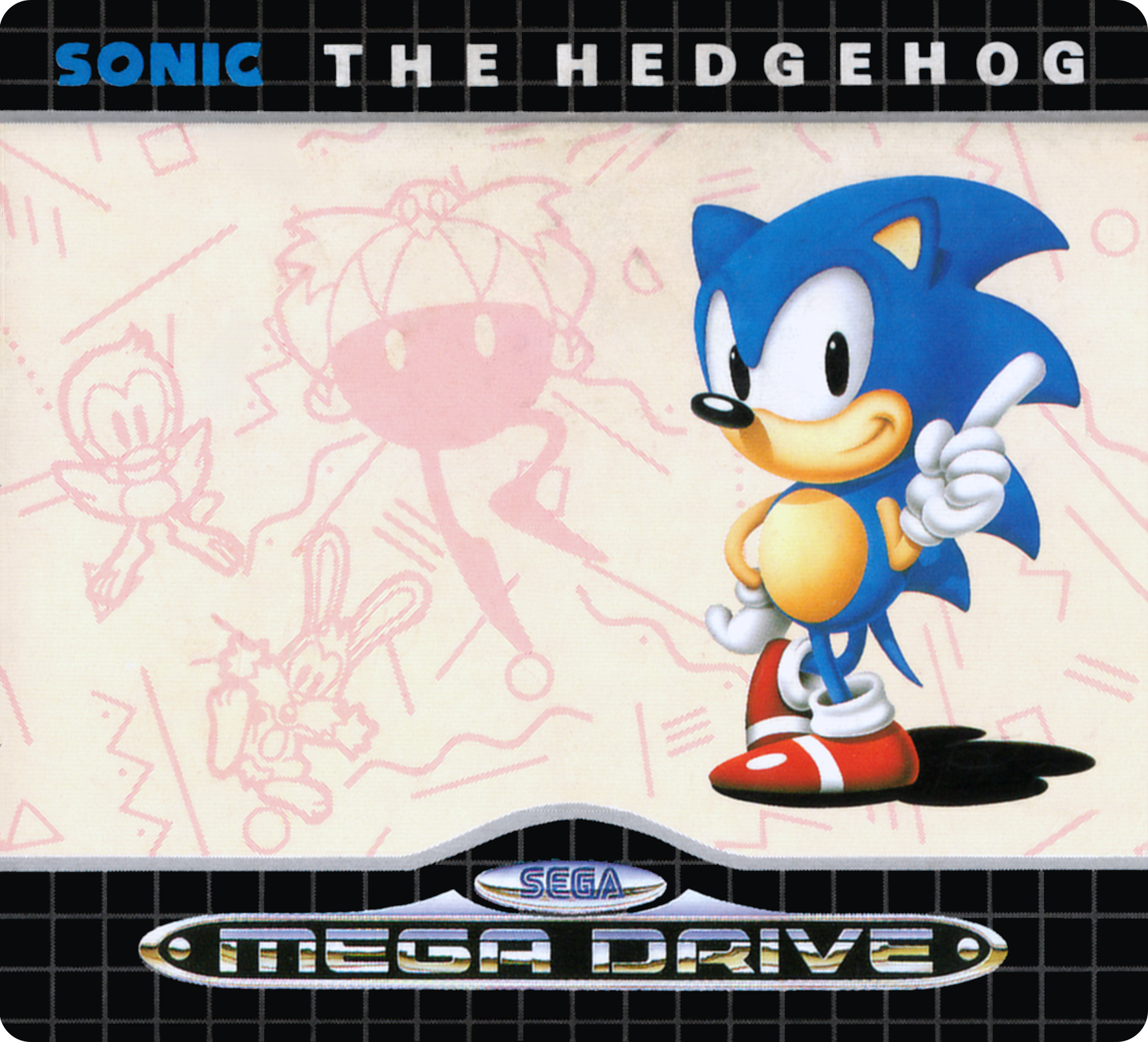
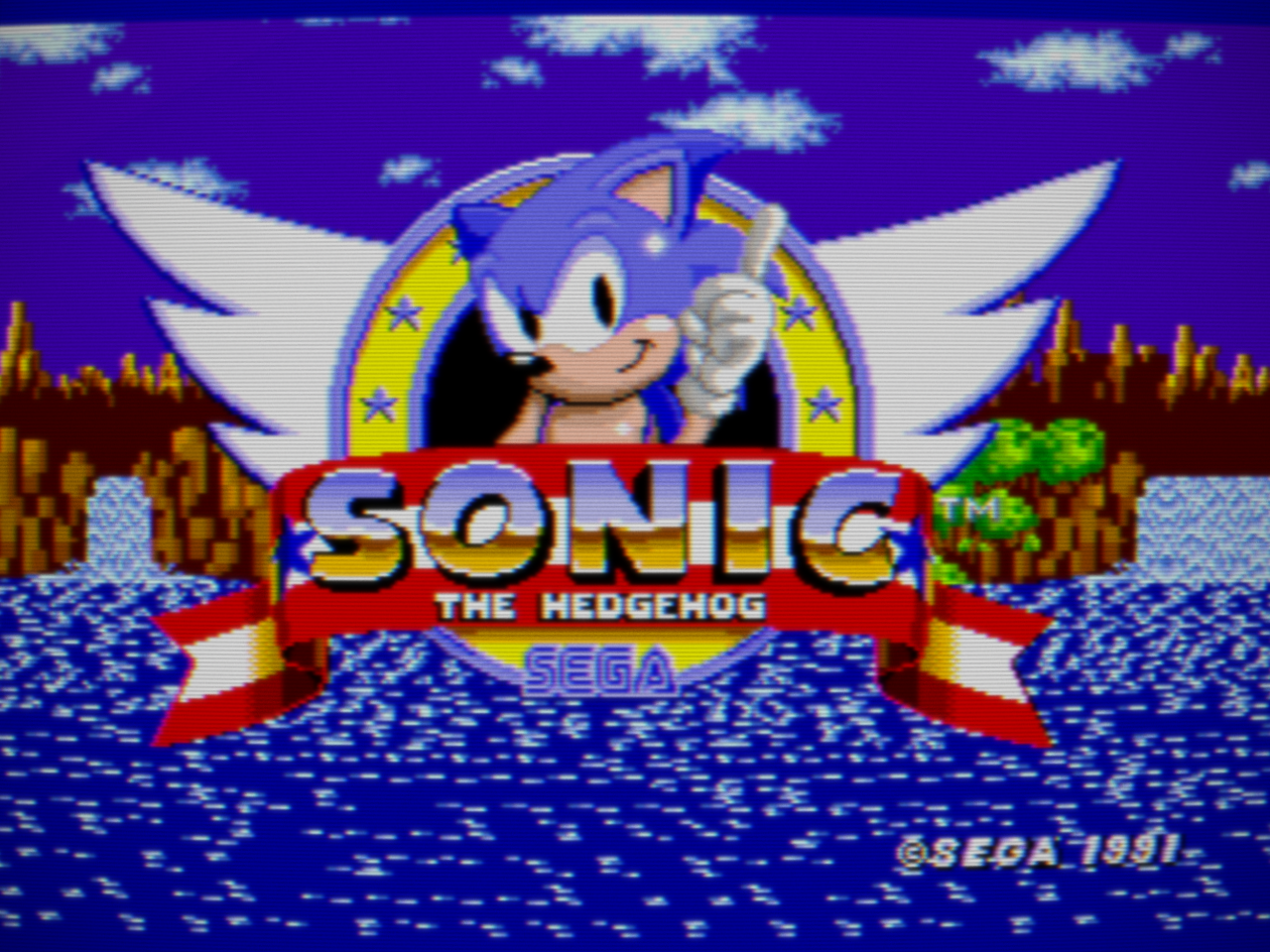
Let's not dance around it. This is the one.
Every console needs a mascot, and for two years Sega have been trying out contenders without ever quite landing on the one that sticks. Alex Kidd was fine. Alex Kidd was not going to trouble Mario. What Sega needed was something fast, something blue, something with an attitude that said "we know exactly what we're doing" rather than "we're still working it out." What they've built is a hedgehog who runs so quickly the scenery struggles to keep up with him, and they have thrown him directly at Nintendo's mascot with the clear and stated intention of taking his crown.
Does he manage it? That is the question every single person reading this review actually wants answered, and we are going to give you an honest one rather than a marketing one.
The set-up
Dr Robotnik, a rotund villain with a moustache and an ego to match, has decided that South Island's forest creatures would make excellent raw material for his robot army. He has captured them, brainwashed them, and welded them into biomechanical shells programmed to cause havoc. Sonic, a blue hedgehog who happens to be the fastest thing on the island, is not having it. Six zones stand between Sonic and Robotnik's operation, each one packed with the animal-stuffed robots (called badniks) that Robotnik has built, and Sonic's job is simple: get through, free the animals trapped inside every badnik he destroys, and eventually put a stop to the whole operation.
That is the entire plot, delivered with the economy that platform games of this era specialise in, and it does exactly what it needs to do. Nobody is here for the story. Everybody is here for what happens when you press the D-pad.
Speed as a design philosophy
Here is what makes Sonic the Hedgehog genuinely different from anything else on this console, or on any console: the entire game is built around velocity. Not just Sonic's top speed, though that is considerable, but the way every element of the level design exists to either build speed, reward speed, or punish its absence. Loop-the-loops that only work if you're moving fast enough to maintain the momentum. Slopes that launch you into the air if you take them at pace. Corkscrew tubes that fire you across chasms. This is not a platform game with a fast character bolted on. This is a game engineered from the ground up around the specific pleasure of going very, very fast and staying in control while you do it.
Sonic's core move is the spin: curl into a ball, either by jumping or by crouching and building up speed on the spot, and anything you hit while spinning gets skewered rather than hurting you. It is a beautifully simple piece of design, a single mechanic that serves as your attack, your defence, and your primary means of clearing obstacles, and it means the controls never get more complicated than they need to be. One button to jump. That's the whole scheme. Everything else is about reading the terrain and committing to your line.
The six zones
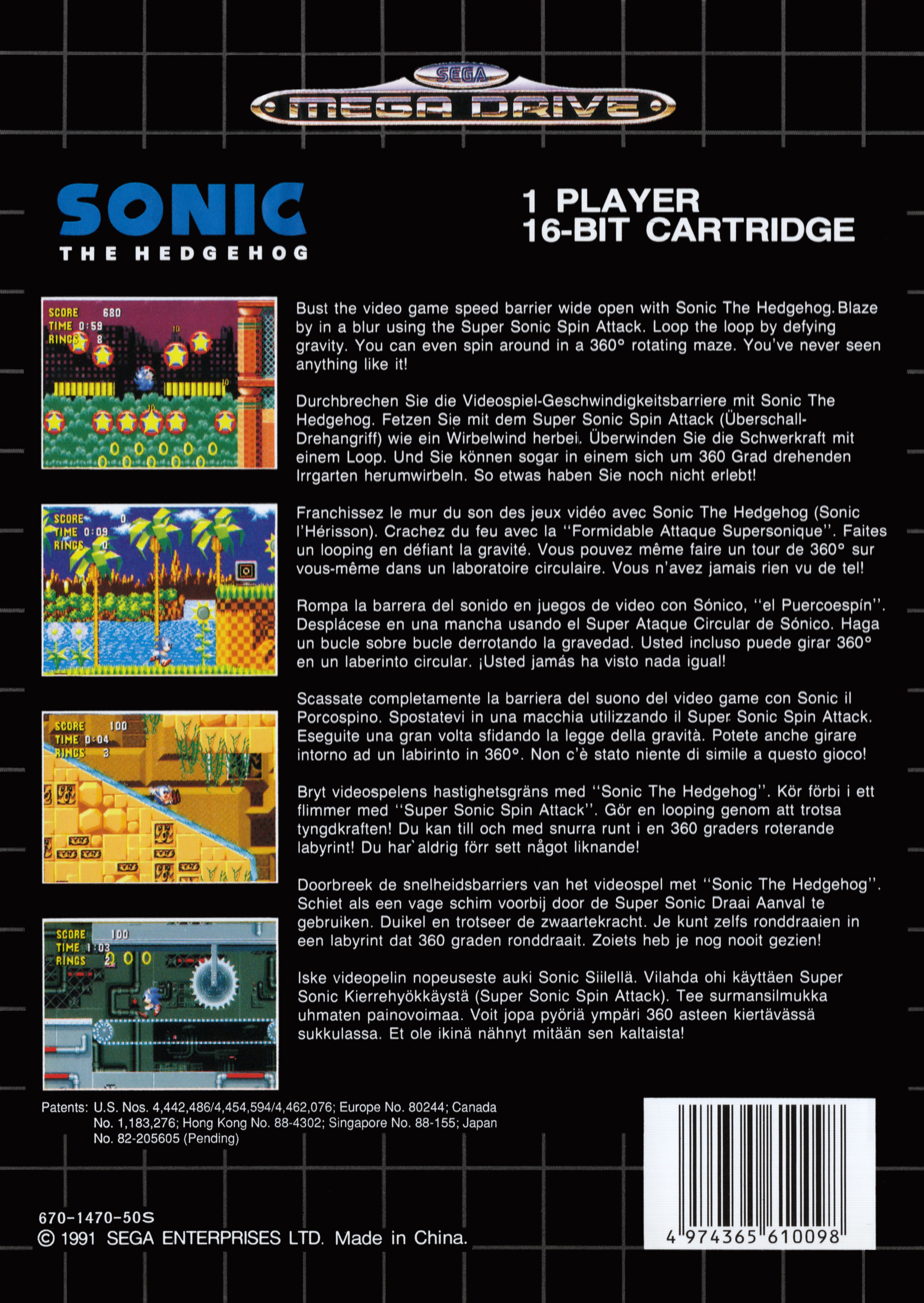
Green Hill Zone is the opener, and it is doing a lot of work in a short space of time. Checkerboard hills, palm trees, loops you can chain together if you keep your speed up, and a general sense of sunny confidence that tells you exactly what kind of experience this is going to be. It is, by design, the easiest zone in the game, and it exists to sell you on the fantasy before the difficulty ramps up.
Marble Zone drops the temperature considerably. Ancient ruins, crumbling stonework, rivers of lava that will end your run in an instant if you misjudge a jump. This is the zone where the game first asks you to slow down and think, which is a slightly uncomfortable adjustment after Green Hill's velocity, but it works as a demonstration that Sonic isn't just a speed simulator. Spring Yard Zone turns the whole thing into a pinball table, all bumpers and springboards that fling you around the screen with genuine unpredictability, and it's one of the most purely enjoyable zones in the game precisely because of how little control you sometimes have over where you're going next.
Labyrinth Zone is the one everybody remembers, and not always fondly. Underwater mazes, drill-nosed badniks, and an air supply that ticks down relentlessly unless you find one of the air bubbles seeping up through the floor. It is slow, it is punishing, and it is a deliberate tonal gear-change from everything that came before it. Star Light Zone brings the pace back with a neon-lit dash through spinning hazards and industrial scenery. Scrap Brain Zone closes the game out as a gauntlet of everything Robotnik's factory can throw at you, before Sonic finally corners the doctor himself.
Each zone ends with a confrontation against Robotnik in his Eggmobile, armed with a different weapon each time, a wrecking ball, a fire cannon, a spiked ram. None of these fights are particularly complex, but they punctuate the pace nicely and give each zone a proper full stop.
Rings, monitors, and the special stage
Rings are Sonic's health system, scattered liberally through every level. Carry rings and contact with an enemy scatters them rather than costing you a life; carry none and the same contact kills you outright. It's an elegant solution to a problem every platform game faces (how do you let the player take a hit without ending the run) and it has the pleasant side effect of making ring collection feel purposeful rather than merely decorative.
Scattered through the zones are television monitors that shatter open to reveal power-ups: extra rings, a temporary invincibility sparkle, a protective shield that absorbs one hit, the Power Sneakers that boost Sonic's speed even further for a short window, and the rare extra life icon. None of these are revolutionary on their own, but together they give the level designers tools to vary the pacing zone to zone.
Collect fifty or more rings before reaching the end of an area and a giant ring appears, which Sonic can leap through to access the Special Stage: a rotating, disorientating maze of rings and Chaos Emeralds that spins the entire screen as you navigate it. What the Chaos Emeralds actually do is not explained anywhere in the game itself, and finding out is part of the appeal. Collecting enough points during a Special Stage attempt also earns a continue, which matters more than you might expect given how the game handles lives.
Where the cracks show
We would be doing you a disservice if we pretended this was a flawless experience, because it is not, and the honest version of this review has to say so.
The base game, played simply to reach the credits, is not especially difficult. Continues are generous, the path through most zones is forgiving if you're willing to take it slowly, and a competent player will see Robotnik defeated without an enormous struggle. Where the real challenge lives is in full completion: finding every Special Stage, collecting all six Chaos Emeralds, exploring the secret rooms and alternate routes that the level design hides rather than advertises. Casual completion and full completion are, in effect, two different games wearing the same cartridge, and if your only measure of a platform game's worth is "how many times did I die getting to the end," you may come away thinking Sonic is a slighter experience than it actually is.
There's also a real frustration in the rings-as-health system when things go wrong. Losing all your rings in an instant, through one careless collision, and watching them scatter across the screen while you scramble to reclaim as many as possible before an enemy or the level itself takes another swipe at you, can feel punishing in a way that undercuts the otherwise generous, forgiving tone of the rest of the design. It is a mechanic that works brilliantly ninety percent of the time and turns genuinely irritating the other ten.
How it looks and sounds
Whatever reservations exist about the difficulty curve, there is no argument to be had about the presentation. This is, without any real competition, the best-looking game on the Mega Drive. The parallax scrolling (background layers moving at different speeds to fake depth, so distant scenery drifts slowly while the foreground rushes past) is doing constant, unshowy work throughout every zone, and it is the thing that makes the sensation of speed actually convincing rather than merely fast. Sonic's own animation is a small marvel: his legs blur into a wheel when he's at full pace, he taps his foot with impatience if you leave him idle too long, and the character has more personality baked into his movement alone than most Mega Drive protagonists manage across an entire game.
The soundtrack backs it up properly. Green Hill Zone's theme is the one that will be stuck in your head for the rest of the week, but every zone gets its own distinct musical identity, and the Mega Drive's FM synthesis chip (which builds its sound by layering mathematical waveforms, giving the console its punchy, slightly metallic tone) is being used here with real confidence. The sound effects, the ring collection chime especially, are doing more legwork toward the game's addictive feel than you'd credit on first play.
Sonic versus Mario
We have to address this directly, because Sega have made it impossible not to. This game exists explicitly to unseat Mario as the definitive platform mascot, and the marketing has not been shy about saying so.
Here is where we land, honestly: it is too early to call a winner, and anybody who tells you otherwise in either direction is selling you something. Sonic's speed and visual presentation are genuinely without peer on any console right now. But depth of level design, precision of controls in tight platforming situations, and sheer creative density per stage are areas where Mario's most recent outings still have an edge that Sonic doesn't quite match. This isn't a knock. It's an honest comparison between two different design philosophies: one built around momentum and spectacle, one built around meticulous, granular platforming craft. Both are extraordinary. Which one you prefer may simply come down to what you want a platform game to feel like in your hands.
What is not in question is that Sonic gives Mario a genuine fight for the first time. Every previous Sega mascot attempt has been an also-ran. This one is a rival.
The verdict
Sonic the Hedgehog is the most important release the Mega Drive has had, and very possibly the most important release any Sega console has ever had. It establishes a character with real presence, a visual identity nothing else on the system can match, and a sensation of speed that genuinely feels like nothing else available today. The base game can be finished without excessive difficulty, and the rings-as-health system occasionally punishes you more harshly than feels entirely fair. But underneath the surface is a game with real depth for anyone willing to chase full completion, and a piece of character design so instantly effective that Sega now, for the first time, have an answer to the question "what's your Mario."
Buy it. Play it fast. Then play it slowly, hunt down the Emeralds, and find out what the rest of the game has been hiding from you.
Sega have arrived. Nintendo should be paying attention.
In hindsight
It is difficult to overstate what Sonic the Hedgehog actually did, because from where we stand now it looks less like a good platform game and more like a hinge point: the moment Sega stopped being the console that made brave, interesting choices and started being a console with a genuine flagship. Everything that followed, the merchandising, the cartoons, the sequels, Sonic the Hedgehog 2 building directly on this foundation with the spin dash fixing the one mechanical gap this original left open, traces back to this cartridge and the gamble it represented.
The period debate over whether Sonic actually beat Mario reads differently with hindsight than it did in the moment. At the time, reviewers were right to hedge: Mario's most recent outing genuinely did have a depth and precision that this first Sonic couldn't yet match stage for stage, and saying so wasn't disloyalty, it was honesty. What nobody quite had the vantage point to see yet was that the comparison itself was Sega's real achievement. For the first time, the conversation was a genuine contest rather than a foregone conclusion, and the sales figures that followed suggest a very large number of people were happy to pick a side.
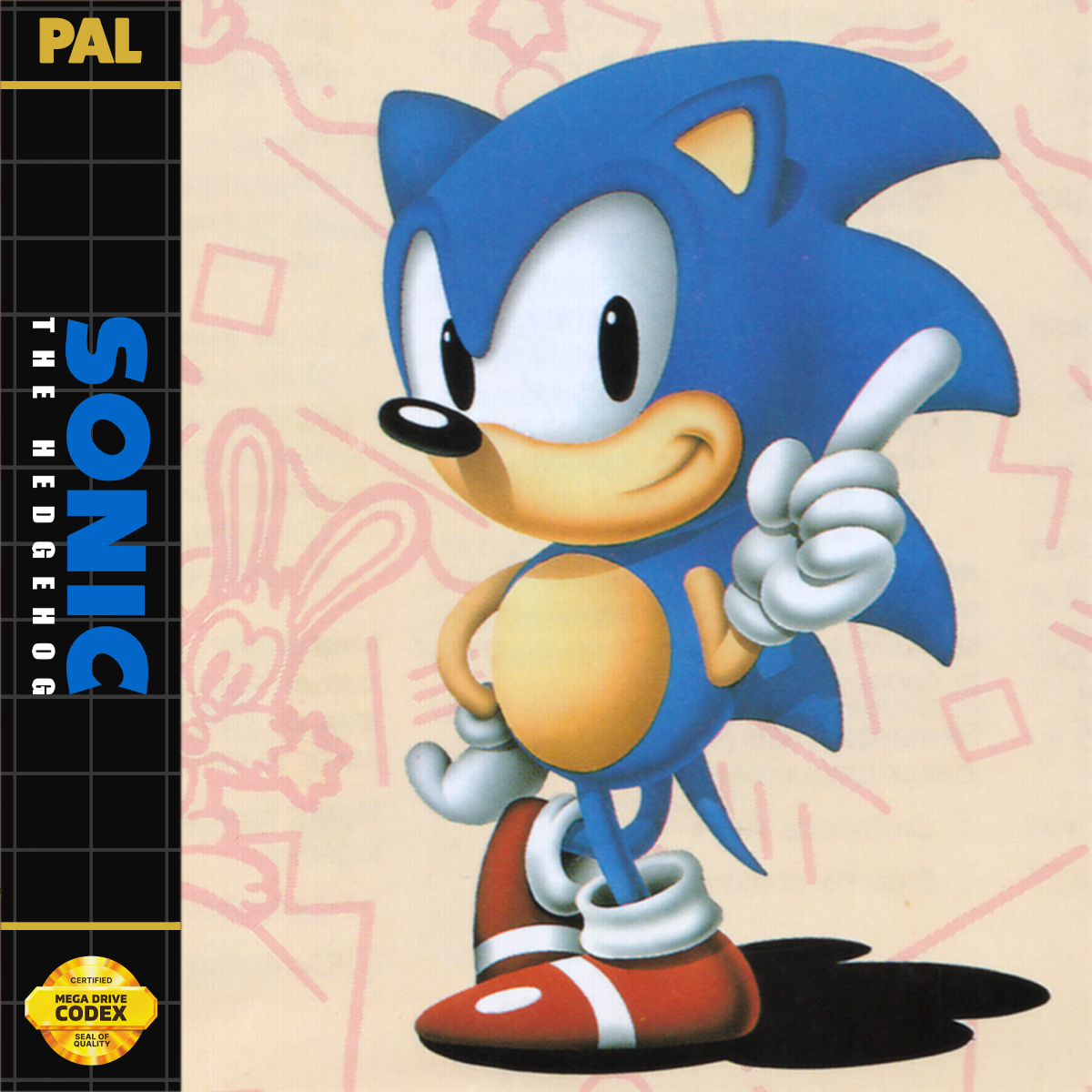
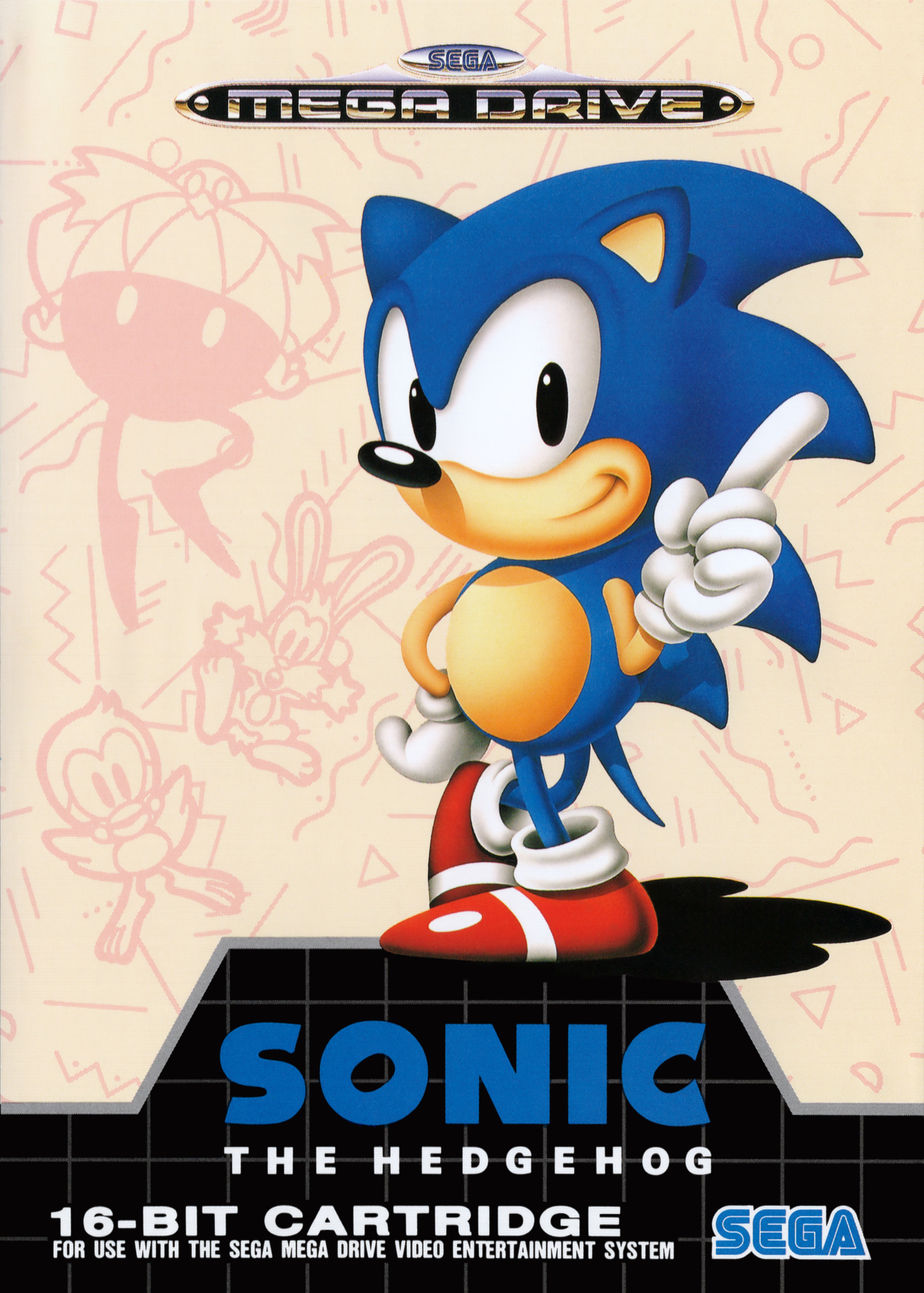
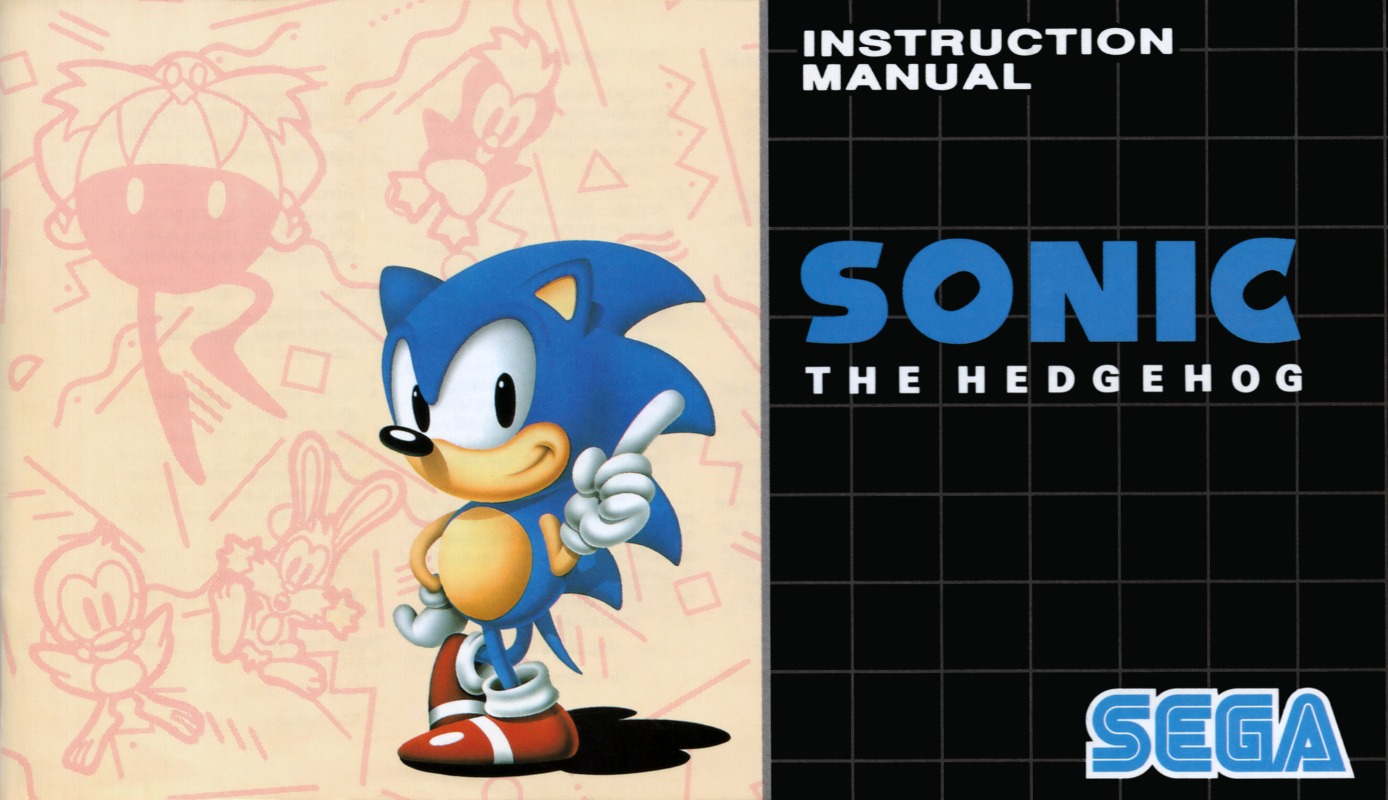
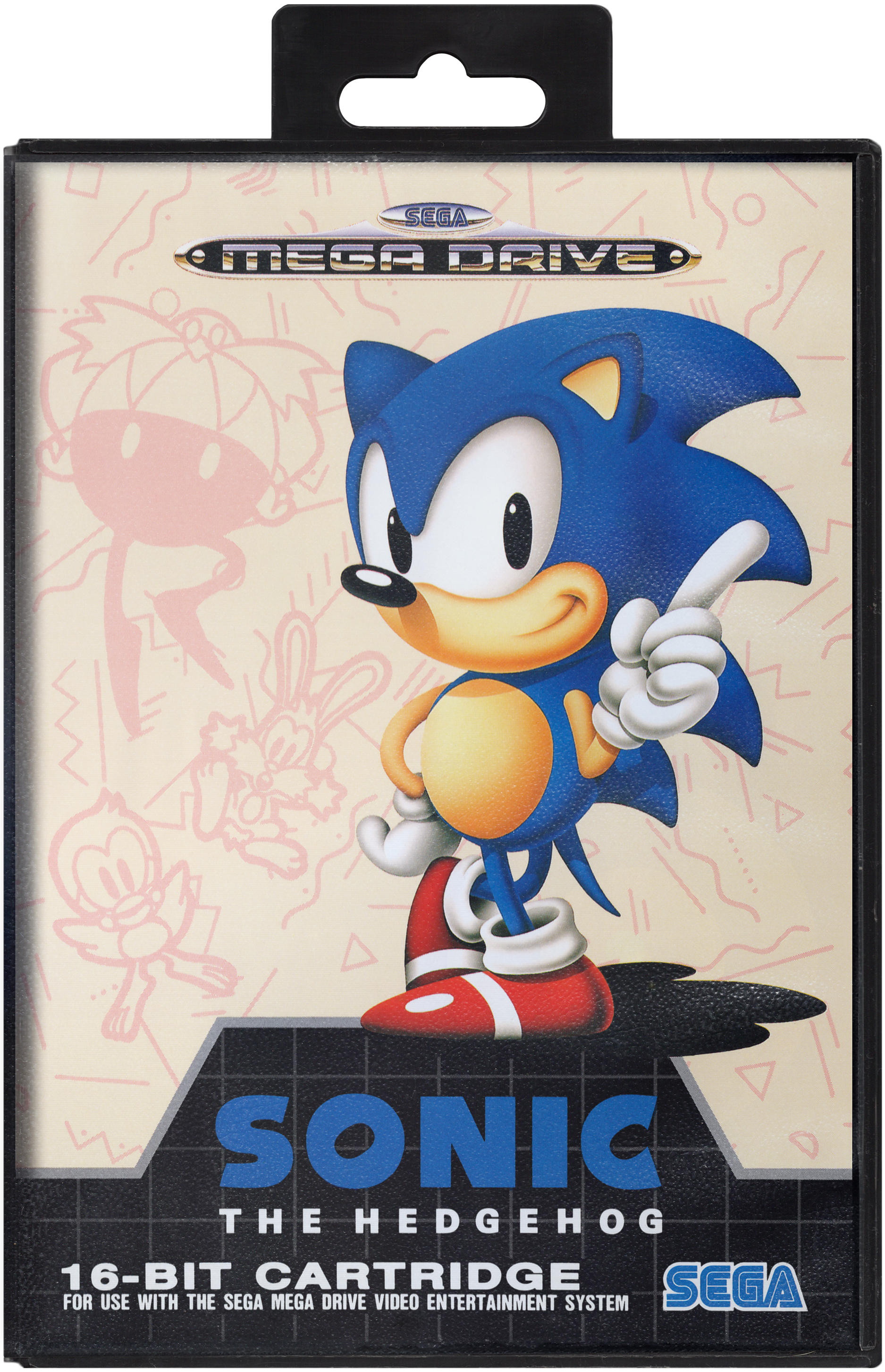
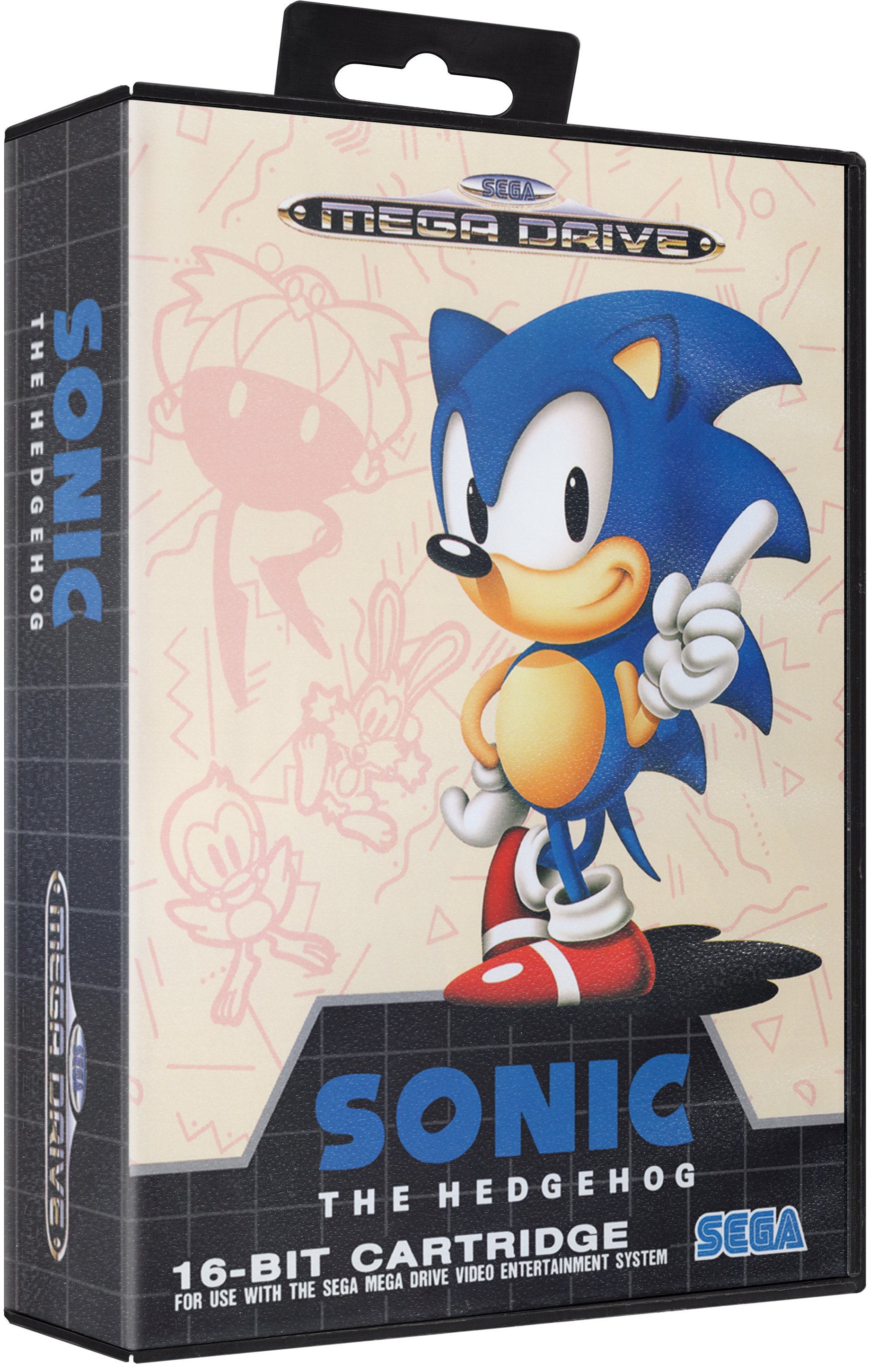
The character design deserves a specific mention, because it is easy to take for granted now how well it works. Blue was chosen deliberately to stand out against Sega's own logo. The red shoes exist because a pure white and blue silhouette tested poorly against certain backgrounds. The attitude, the foot-tapping impatience, the raised eyebrow smugness, none of it happened by accident. This is one of the most carefully considered pieces of character design in games from this era, and it is doing exactly the job it was built for.
What this game leaves for the Codex to track going forward is simple: everything gets built on this. The zones, the ring system, the Chaos Emeralds, the whole vocabulary of what a Sonic game is, starts here. Whatever comes next in this series, and there is a great deal still to come, it all owes this cartridge a debt.
 Codex Essential Game